
"nicotine craving"
1000 article(s) found

A cup of good drink in one minute, the native evolution version of the capsule coffee machine.
Because I didn't want to be abused by instant coffee, I had a craving for a capsule coffee machine some time ago: the coffee powder with a good proportion was sealed in a jelly-shaped capsule box, and when I wanted to drink it, I threw a capsule into the machine. After a while, a cup of freshly brewed coffee of good quality could come out. There was no need to grind the beans in advance or clean them afterwards. I could change the taste by changing the capsule.
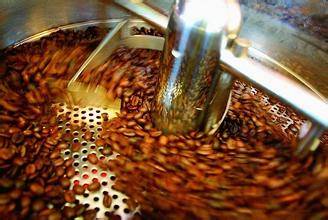
The basic chemical reaction that occurs during coffee roasting. The ingredients produced by the degree of coffee roasting.
Basic chemical reactions that occur during coffee roasting author: Carl Staub originates from the SCAA baking color classification system, developed by Agtron SCAA 1995 original text from: http://www.sweetmarias.com/roast.carlstaub.html translation: Grant, http://www.baristacn.com/forum/thread-1583-1-1.html in the roasting process

Basic chemical reactions that occur during coffee roasting
Many thermal and chemical reactions take place during baking: decarbonation, dehydration of quinic acid, fragmentation, isomerization, polymerization, and complex sugar reactions (caramelization). The main thermally reactive components are monosaccharides and sucrose, chlorogenic acid, displaced amino acids, and trigonelline amide. Both aravinone and calactose in polysaccharides are transferred, and basic sulfurization contains hydroxyamino acids.
Detailed analysis of coffee bean ingredients
Volatile substances: Volatile substances are the main source of coffee flavor and are especially important for coffee quality. There are many kinds of volatile compounds in coffee, and their existence will affect the aroma quality of coffee. The main source is derived from non-volatile substances from raw beans, which are broken off or reacted during roasting. Thermal decomposition, other reactions, or interactions between components, e.g. sugar
The basic chemical reaction of coffee roasting process
Many thermal and chemical reactions take place during baking: decarbonation, dehydration of quinic acid, subdivision, isomerization, polymerization, and complex sugar reactions (caramelization). The main components of the thermal reaction are monosaccharides and sucrose, chlorogenic acid, free amino acids, and fenugreek amide. Both aravinose and calactose in the polysaccharides are transferred, and the basic vulcanization contains hydroxylated amino acid.
The basic chemical reaction that takes place during coffee roasting.
Many thermal and chemical reactions take place during baking: decarbonation, dehydration of quinic acid, subdivision, isomerization, polymerization, and complex sugar reactions (caramelization). The main components of the thermal reaction are monosaccharides and sucrose, chlorogenic acid, free amino acids, and fenugreek amide. Both aravinose and calactose in the polysaccharides are transferred, and the basic vulcanization process includes hydroxylamine.

The basic chemical reactions that take place during coffee roasting
Many thermal and chemical reactions take place during baking: decarbonation, dehydration of quinic acid, subdivision, isomerization, polymerization, and complex sugar reactions (caramelization). The main components of the thermal reaction are monosaccharides and sucrose, chlorogenic acid, free amino acids, and fenugreek amide. Both aravinose and calactose in the polysaccharides are transferred, and the basic vulcanization process includes hydroxylamine.

Basic chemical reactions of coffee beans during coffee roasting
Many thermal and chemical reactions take place during baking: decarbonation, dehydration of quinic acid, subdivision, isomerization, polymerization, and complex sugar reactions (caramelization). The main components of the thermal reaction are monosaccharides and sucrose, chlorogenic acid, free amino acids, and fenugreek amide. Both aravinose and calactose in the polysaccharides are transferred, and the basic vulcanization process includes hydroxylamine.

The basic chemical reactions that take place during coffee roasting
Many thermal and chemical reactions take place during baking: decarbonation, dehydration of quinic acid, subdivision, isomerization, polymerization, and complex sugar reactions (caramelization). The main components of the thermal reaction are monosaccharides and sucrose, chlorogenic acid, free amino acids, and fenugreek amide. Both aravinose and calactose in the polysaccharides are transferred, and the basic vulcanization process includes hydroxylamine.

The basic chemical reactions that take place during coffee roasting.
Many thermal and chemical reactions take place during baking: decarbonation, dehydration of quinic acid, subdivision, isomerization, polymerization, and complex sugar reactions (caramelization). The main components of the thermal reaction are monosaccharides and sucrose, chlorogenic acid, free amino acids, and fenugreek amide. Both aravinose and calactose in the polysaccharides are transferred, and the basic vulcanization process includes hydroxylamine.
Basic knowledge of boutique coffee bean ingredients
★ volatile compounds: volatile compounds are the main source of coffee flavor, especially important for coffee quality. There are many kinds of volatile substances in coffee, and their existence will affect the aroma quality of coffee. Its main source is derived from non-volatile substances in raw beans which are disconnected or derived after reaction in the process of roasting. The role of thermal decomposition, other reactions, or compositions, such as sugar.
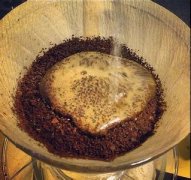
Detailed analysis of volatile compounds in coffee beans
★ volatile compounds: volatile compounds are the main source of coffee flavor, especially important for coffee quality. There are many kinds of volatile substances in coffee, and their existence will affect the aroma quality of coffee. Its main source is derived from non-volatile substances in raw beans which are disconnected or derived after reaction in the process of roasting. The role of thermal decomposition, other reactions, or compositions, such as sugar.
The basic chemical reaction of coffee technology in the process of coffee roasting
Many thermal and chemical reactions take place during baking: decarbonation, dehydration of quinic acid, subdivision, isomerization, polymerization, and complex sugar reactions (caramelization). The main components of the thermal reaction are monosaccharides and sucrose, chlorogenic acid, free amino acids, and fenugreek amide. Both aravinose and calactose in the polysaccharides are transferred, and the basic vulcanization process includes hydroxylamine.

Detailed Analysis of the components of Coffee beans
★ volatile compounds: volatile compounds are the main source of coffee flavor, especially important for coffee quality. There are many kinds of volatile substances in coffee, and their existence will affect the aroma quality of coffee. Its main source is derived from non-volatile substances in raw beans which are disconnected or derived after reaction in the process of roasting. The role of thermal decomposition, other reactions, or compositions, such as sugar.
Volatile compounds are the main source of coffee flavor.
★ volatile compounds: volatile compounds are the main source of coffee flavor, especially important for coffee quality. There are many kinds of volatile substances in coffee, and their existence will affect the aroma quality of coffee. Its main source is derived from non-volatile substances in raw beans which are disconnected or derived after reaction in the process of roasting. The role of thermal decomposition, other reactions, or compositions, such as sugar.
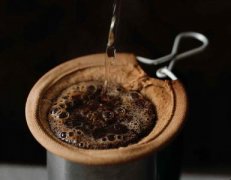
What are the chemical constituents in a coffee bean?
★ volatile compounds: volatile compounds are the main source of coffee flavor, especially important for coffee quality. There are many kinds of volatile substances in coffee, and their existence will affect the aroma quality of coffee. Its main source is derived from non-volatile substances in raw beans which are disconnected or derived after reaction in the process of roasting. The role of thermal decomposition, other reactions, or compositions, such as sugar.

Barista training knowledge: detailed analysis of coffee bean components
★ volatile compounds: volatile compounds are the main source of coffee flavor, especially important for coffee quality. There are many kinds of volatile substances in coffee, and their existence will affect the aroma quality of coffee. Its main source is derived from non-volatile substances in raw beans which are disconnected or derived after reaction in the process of roasting. The role of thermal decomposition, other reactions, or compositions, such as sugar.
Detailed Analysis of the components of Coffee beans in Coffee Encyclopedia
★ volatile compounds: volatile compounds are the main source of coffee flavor, especially important for coffee quality. There are many kinds of volatile substances in coffee, and their existence will affect the aroma quality of coffee. Its main source is derived from non-volatile substances in raw beans which are disconnected or derived after reaction in the process of roasting. The role of thermal decomposition, other reactions, or compositions, such as sugar.
Fine Coffee: a detailed Analysis of the components of Coffee beans
★ volatile compounds: volatile compounds are the main source of coffee flavor, especially important for coffee quality. There are many kinds of volatile substances in coffee, and their existence will affect the aroma quality of coffee. Its main source is derived from non-volatile substances in raw beans which are disconnected or derived after reaction in the process of roasting. The role of thermal decomposition, other reactions, or compositions, such as sugar.

Which kind of Phoenix Dancong tea is more suitable for making cold brewed tea? What are the characteristics of cold brewed oolong tea and black tea?
Summer is finally here! Although I personally like hot, sometimes it may be too much, I began to crave cold drinks. Come in, make tea cold! Cold brewing is a new method of making tea, which is different from the traditional hot brewing, it also has a lot of scientific basis.